
Mini Prototypes
The Origins of the Mini:
A Strategic Response to Global Crisis
The development of the Mini was born from the geopolitical instability of the mid-1950s. Following the nationalization of the Suez Canal by Colonel Nasser in 1956, a subsequent conflict led to the closure of vital oil pipelines. This forced Middle Eastern oil supplies to be rerouted around the Cape of Good Hope, triggering severe fuel shortages across Europe.
In the United Kingdom, the return of petrol rationing in December 1956 shifted consumer demand toward fuel efficiency. While the broader automotive market declined, sales of small displacement vehicles quadrupled. This vacuum was initially filled by German "bubble cars," which offered high fuel economy despite poor handling and safety standards.
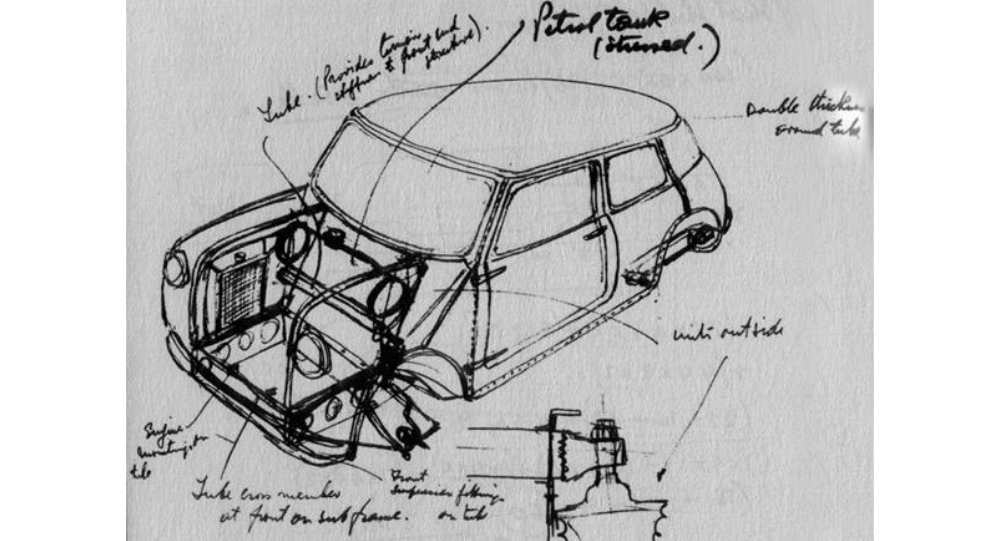
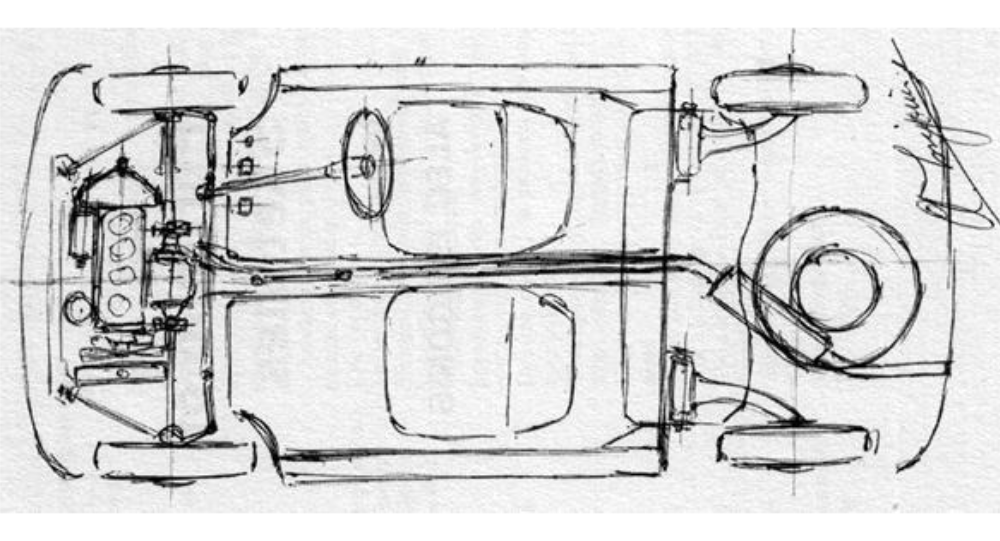
Recognizing a market opportunity and driven by a personal distaste for the influx of bubble cars BMC Chairman Leonard Lord pivoted the company’s focus. He recalled engineer Alec Issigonis to lead a specialized team with a clear mandate: to replace these rudimentary vehicles with a "proper small car." This shift in priority redirected BMC’s efforts from the Morris Minor successor toward the project designated XC9003, the precursor to the Mini.
Putting The Team Together
Lorem ipsum dolor sit amet consectetur adipisicing elit. Mollitia totam recusandae voluptatibus quam!
